The Passages at Rye 1255 Blog | Energy Corridor Living, Houston Studio Tips & Neighborhood Guides

Houston vs. Katy TX: Best Choice for Renters in 2026-image

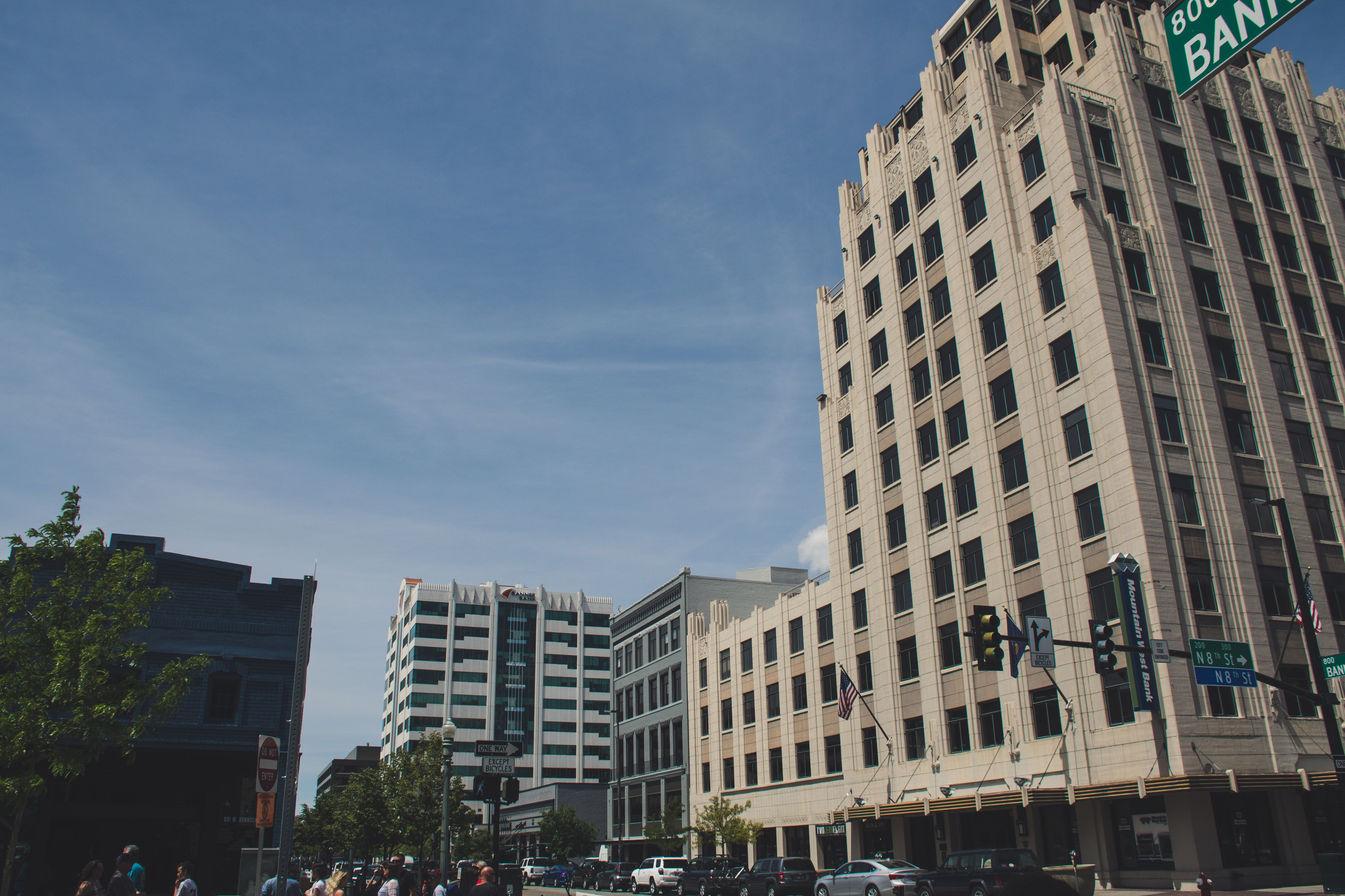
Quick Answer: Houston vs. Katy TX comes down to rent per square foot versus space per dollar. RentCafe data from July 2026 puts Houston's citywide average apartment rent at $1,349 against Katy's $1,603. Houston wins on price and commute for Energy Corridor workers. Katy wins on newer inventory and school zoning. Two renters with the same budget can end up 25 miles apart out here. The Houston vs. Katy TX debate runs through almost every relocation search on the west side of the metro, and the right answer depends less on the cities themselves than on where you clock in each morning. The Passages at Rye 1255 sits at 1255 Highway 6 N, serving renters across west Houston and the Katy corridor from the edge of the Energy Corridor. Our neighborhood map and directions page shows how the two stack up geographically. What to look for when comparing Houston vs. Katy TX Four things matter more than the headline rent number: total monthly cost with utilities included, actual square footage, drive time to your job site, and which county your address falls in. A $150 monthly gap between two listings can vanish once the July electricity bill lands. It can also double once you add tolls. Rent trackers disagree with each other, and that is worth knowing before you build a spreadsheet. RentCafe, which pulls from Yardi Matrix, listed Houston's citywide average at $1,349 in its July 2, 2026 update. Rent.com put Katy's 2026 range between $1,220 and $1,980. Different sample sets produce different answers. Treat every published average as a starting point, then verify with the leasing office you are actually calling. One variable rarely makes it onto comparison charts: what the rent actually covers. All-bills-paid communities fold electricity, water, internet and trash into a single monthly figure, which changes the math entirely in a market where August cooling bills routinely add three figures to a household budget. Counties in Katy TX and why your address matters Katy is geographically odd. The city sits almost exactly on the tripoint of Harris, Fort Bend and Waller counties, so the counties in Katy TX can shift your property tax rate and your school zoning. Incorporated in 1945, the city itself held 21,894 residents at the 2020 census, per U.S. Census Bureau QuickFacts . Greater Katy, the much larger area USPS assigns a Katy mailing address, is mostly unincorporated. A Katy address does not guarantee you live inside Katy city limits. Best neighborhoods in Houston to rent near the Energy Corridor The best neighborhoods in Houston to rent are not the ones with the lowest average. They are the ones closest to your office. RentCafe's 2026 neighborhood figures show how wide the spread gets: Downtown Houston averaged $2,260, Midtown $1,681, Southeast Houston $1,195, and North Houston $1,191. The Energy Corridor sits between those poles and holds its own concentration of jobs along I-10 between Beltway 8 and Highway 6. Renting inside that band cuts commute cost in a way no suburb can match. Is Katy Texas a good place to live for renters in 2026? For families prioritizing Katy ISD zoning, yes. For a single renter watching a budget, the math is tighter. Katy's average apartment rent ran $1,603 in RentCafe's January 2026 update against Houston's $1,349, and roughly 23% of Katy households rent compared with 58% in Houston. Fewer options, higher prices. Renter factor Houston Katy Average rent, all unit types $1,349 $1,603 Average studio $997 for 508 sq ft $1,170 for 536 sq ft Average one-bedroom $1,194 for 731 sq ft $1,331 for 760 sq ft Year-over-year rent change Down 0.95% Down 1.78% Renter-occupied households 58% 23% Counties involved Mostly Harris Harris, Fort Bend, Waller Drive to Energy Corridor jobs Inside the district or minutes away 20 to 35 minutes typical Bottom line Lower rent, shorter commute, deeper rental supply More space per dollar, newer stock, longer drive Rent and square footage figures above come from RentCafe market analysis using Yardi Matrix data, updated January and July 2026. Averages move monthly and vary by tracker, so confirm live pricing directly. You can review current studio floor plans and pricing for our community rather than relying on a citywide number. Both markets softened this year. Katy rents fell 1.78% year over year, from $1,632 to $1,603. Houston dipped 0.95%, from $1,362 to $1,349. New multifamily supply is the driver, and it has handed renters more leverage than they had two years ago. Concessions are worth asking about. Katy Texas neighborhoods renters search most Old Town Katy, Cinco Ranch, Cane Island and Cross Creek Ranch dominate the Katy Texas neighborhoods searches. Most of that inventory skews toward single-family rentals and larger units inside master-planned communities. Studio supply is thin out there. If you want a compact, low-maintenance unit, west Houston carries far more of it. How far is Katy TX to Houston TX on a weekday commute? Katy sits roughly 29 miles west of downtown Houston along I-10. The Katy TX to Houston TX drive runs 40 to 55 minutes during peak morning hours according to local commute guides tracking the corridor in 2026. The Energy Corridor is closer, usually 20 to 35 minutes from most Katy neighborhoods. The I-10 managed lanes can shave 10 to 15 minutes off that. They also cost money every workday, and a year of tolls eats into whatever the suburb saved you. Eldridge and Dairy Ashford are the corridor's worst evening chokepoints, which matters if you are heading west at 5 p.m. Distance is only half the story. Greater Katy is one of the fastest-growing pieces of the Houston metro, with population estimates for the wider area frequently quoted above 300,000 across multiple ZIP codes. More residents on the same freeway means the 2026 commute is not the 2016 commute. Houston suburbs versus an address inside the city Houston suburbs sell you space. An in-city address sells you time back. Katy's average two-bedroom runs 1,127 square feet against Houston's 1,054, a difference of 73 square feet for roughly $218 more per month. Whether that trade works depends on how many hours a week you plan to spend on I-10. Renters at gated communities near the corridor often take the shorter drive and lean on on-site community amenities to make up for a smaller footprint. Frequently Asked Questions 1. Is rent cheaper in Houston or Katy TX in 2026? Houston is cheaper on average across every common unit type, based on RentCafe's 2026 figures: Studios: $997 in Houston, $1,170 in Katy One-bedrooms: $1,194 in Houston, $1,331 in Katy Two-bedrooms: $1,513 in Houston, $1,731 in Katy Citywide average: $1,349 in Houston, $1,603 in Katy Confirm current pricing with any community before you build a budget around these numbers. 2. Which towns near Houston TX are closest to the Energy Corridor? Katy is the closest sizeable one, about 20 to 35 minutes west on I-10, with Fulshear and Brookshire further out. Renters often search towns near Houston Texas when they mean the suburbs ringing the city. Others type small towns in Houston Texas, which is a phrasing quirk rather than a real category. 3. Do I need a car to live in the Energy Corridor? Yes. Walk Score rates the Energy Corridor at 46, meaning most errands require a car. METRO park and ride service runs along the I-10 corridor for downtown commuters. If you work inside the district itself, the drive is short enough that parking is rarely the issue. 4. Is a Houston studio big enough compared with a Katy one-bedroom? Houston studios average 508 square feet against 760 for a Katy one-bedroom, per RentCafe. That is a real gap. For a single renter or a couple who does not need a second room, the studio usually works, and roughly $334 in monthly savings funds a lot of storage. 5. How should I compare total monthly cost between the two? Add utilities, internet, parking and tolls to the base rent before you compare anything. An all-bills-paid community folds those into one number, which removes the summer electricity spike that hits Houston-area budgets between June and September. Ask each leasing office exactly what is bundled. Conclusion Houston vs. Katy TX has no universal winner, but it does have a clear pattern. If your job sits anywhere between Beltway 8 and Highway 6, an address inside the Energy Corridor costs less and gives hours back to your week. If you need three bedrooms and Katy ISD zoning, drive west. The Passages at Rye 1255 sits at 1255 Highway 6 N in Houston 77084, gated, all bills paid, and about as close to the corridor's job centers as a studio gets. You can start an online application whenever you are ready.

Read more

How to Read a Houston Apartment Lease Before You Sign Now-image

Quick Answer: How to Read a Houston Apartment Lease Before You Sign comes down to four things: the lease term and renewal rules, the security deposit terms, who pays for repairs, and the exact notice periods for moving out. Texas gives tenants specific legal protections on deposits and repairs, so check the lease against those rules line by line before you sign. A lease is a stack of paper until you actually need it, and then it's the only document that matters. Most renters skim the highlights: rent, move-in date, pet policy. That's a mistake. Texas law spells out exact rules for deposits, repairs, and notice periods, and your studio floor plan lease should match them. Here's what to check before you sign anything, whether you're touring apartments near the Energy Corridor or renewing where you already live. What to Look For in Your Texas Tenant Lease Agreement A Texas tenant lease agreement should spell out five things in plain language: the lease term, the rent amount and due date, the security deposit terms, who handles repairs, and how either side ends the lease. If any of those five are vague or missing, ask before you sign. Texas doesn't require a specific lease format, so wording varies a lot between properties, and a leasing contract that reads clearly usually means fewer surprises later. Lease Term and Renewal Windows The lease term is the fixed period you're committing to, usually 6 or 12 months. Check what happens on the last day. Many leases auto-renew into a month-to-month agreement unless you give written notice by a set deadline, often 30 to 60 days out. Texas law on month-to-month rentals is simpler: under Section 91.001 of the Texas Property Code, either side can end a month-to-month tenancy with written notice, and the tenancy ends one full rental period after that notice is given. Fixed-term leases don't get that flexibility. Whatever window your lease sets, put it on a calendar the day you sign. Security Deposit and Move-Out Rules Texas sets no cap on how much a landlord can charge for a security deposit, and it doesn't require the deposit to sit in an interest-bearing account. What the law does require is a deadline. Under Texas Property Code Section 92.103, a landlord has 30 days after you surrender the unit to return the deposit or send an itemized list of deductions, and that clock only starts once you've given a written forwarding address. (Texas Property Code, Chapter 92) Deductions can cover unpaid rent and damage beyond normal wear and tear. They can't cover routine cleaning or a faded paint job from three years of normal living. What Happens When You Sign a Pre Lease Agreement Before Move-In? A pre lease agreement, sometimes called a lease hold or reservation agreement, locks in a unit before your actual move-in date, usually with a small deposit. It's not the same as your full lease, and it shouldn't include the same binding terms. Read the fine print on what's refundable if your plans change. Here's how a pre-lease hold compares to a standard fixed lease and a month-to-month agreement: Agreement Type Typical Length Notice to End Pre-lease hold Days to a few weeks Set by the hold agreement Fixed-term lease 6 to 12 months Per lease renewal clause Month-to-month Ongoing, no end date One full rental period (Tex. Prop. Code § 91.001) If a leasing agent asks for a pre-lease deposit, get the refund terms in writing before you hand over a card number. A verbal promise doesn't hold up if your plans change. How to Spot Red Flags in Your Leasing Contract Some clauses deserve extra attention. Watch for open-ended fee language like "tenant responsible for all costs" with no dollar cap attached. Check the repair section against Texas Property Code Section 92.052, which requires landlords to fix conditions that materially affect a tenant's health or safety, generally within a reasonable time after written notice. Look at the guest policy, the subletting rules, and whether the lease requires arbitration instead of small claims court for disputes. None of these make a lease unusable on their own. They just need to be things you actually agreed to, not things you missed on page nine. Rent for a Houston studio runs roughly $997 a month on average citywide, based on RentCafe and Yardi Matrix tracking as of mid-2026, with Energy Corridor studios landing in a wider range depending on building age and amenities. Always confirm current pricing and any move-in specials directly with the leasing office rather than relying on published averages, since they shift monthly. Frequently Asked Questions 1. What should I bring with me when signing a lease? Bring a government-issued ID, proof of income, and any application paperwork the property already collected. Read the full lease before you arrive if it was sent ahead of time, and bring a list of questions about anything unclear, especially fees and the renewal clause. 2. Is a contract lease the same as a month-to-month rental? No. A contract lease locks in a fixed term, usually 6 to 12 months, with rent and terms that can't change until it ends. A month-to-month rental renews automatically every period and either side can end it with notice, giving more flexibility but less rate stability. 3. How much notice does a Texas landlord need to give before eviction? Under Texas Property Code Section 24.005, a landlord generally must give at least three days' written notice to vacate before filing an eviction suit, unless the lease sets a different period. This notice comes before any court filing, not after. 4. Is there an apartment lease guide for first-time Houston renters? Texas Law Help and the Texas State Law Library publish free guides covering deposits, repairs, and eviction notices. Beyond state resources, ask your leasing office to walk through the lease clause by clause. A good office won't rush that conversation. 5. What can a landlord deduct from my security deposit? Unpaid rent owed at move-out Damage beyond normal wear and tear Unpaid utility charges billed to the tenant Cleaning costs tied to actual damage, not routine turnover cleaning Conclusion Reading a lease line by line takes twenty minutes and can save you months of frustration. Check the term, the deposit rules, the repair clause, and the exact notice window before you sign anything. If you're apartment leasing tips shopping around the Energy Corridor, start with a property that keeps its terms straightforward. Browse community amenities , check the neighborhood map , or head to the homepage to see what a straightforward apartment lease at The Passages at Rye 1255 looks like.

Read more
First-Time Renter's Guide to Houston: Costs & Neighborhoods-image

Quick Answer: This first-time renter's guide to Houston starts with one number: about $997 a month for a studio, per RentCafe's July 2026 data. Utilities and getting around push the real total higher. Most solo renters land between $1,700 and $2,300 monthly once every line is counted, before deposits and fees. Signing a first lease is mostly a math problem with a geography problem attached. Houston covers 640 square miles, so where you land changes your rent and your commute more than almost any other choice you'll make. The Passages at Rye 1255 sits at 1255 Highway 6 N in the Energy Corridor, serving west Houston renters who want a short drive to the office campuses along I-10, and the neighborhood map and directions page shows what's actually nearby. What a first-time renter's guide to Houston should tell you first A first-time renter's guide to Houston comes down to two numbers: what leaves your account every month, and what leaves it the day you sign. Most Houston communities screen on gross monthly income at roughly three times the rent, plus a credit check. Scores in the 620 to 650 range clear the majority of conventional properties. No rental history? That's the normal starting point for anyone renting at 22, and it isn't a dealbreaker. A guarantor with stronger credit, or documented savings covering several months of rent, will usually bridge the gap. Ask the leasing office what they accept before you pay anything, because application fees don't come back if you're denied. Treat this as an apartment renting guide you check against real written quotes, not a promise. What is the average rent in Houston right now? RentCafe, using Yardi Matrix data updated July 2, 2026, puts the average rent in Houston at $1,349 across all unit types. Studios average $997 for roughly 508 square feet. One-bedrooms average $1,194 for 731 square feet. The citywide figure slipped 0.95% over the prior year, which is unusual for a large U.S. metro. Trackers disagree, and the gap is wide enough to matter to your budget. Zumper's July 2026 read on the same city is $1,425. Census Bureau QuickFacts lists Houston's median gross rent at $1,361, but that number folds in utilities paid by the renter, which is part of why it sits above the studio and one-bedroom averages. Every published average is a starting range. Confirm real pricing with a leasing office. Studios at The Passages at Rye 1255 are advertised from around $949 a month all in, with utilities and internet bundled into the rent. Availability moves, so check current studio floor plans and pricing before you build a budget around any figure. What else belongs in your monthly number Rent is roughly half the story. Salary.com put the price of living in Houston at about $2,342 a month for a single person in 2026, around 5% under the national average. The table below stacks the usual living expenses in Houston Texas for one person in a studio, using published tracker and federal figures. Cost line Typical monthly range What drives it Studio rent $950 to $1,100 RentCafe city average is $997 at 508 sq ft One-bedroom rent $1,194 to $1,307 Citywide versus Energy Corridor, RentCafe 2026 Electricity $130 to $185 EIA puts the Texas household average near $166 Internet $50 to $80 Often bundled at all-bills-paid communities Groceries, one person $360 to $500 Swings with how often you cook at home Car costs $500 to $700 Gas, insurance, upkeep; a METRO pass costs far less Solo renter, all in $1,700 to $2,300 Studio, own car, no roommate Ranges shift by neighborhood and by season. Houston summers are the reason a July electric bill can double a March one, which is worth remembering if you're touring in spring. How much are apartment move in fees in Houston? Apartment move in fees in Houston usually break into an application fee per adult, a non-refundable administrative fee, and a refundable security deposit. Application fees across Texas commonly run $30 to $125 per applicant. The admin fee is standard at conventional communities, and it does not come back when you move out. Ask for the full due-at-signing total in writing before you apply. Leasing agents quote base rent out of habit. The number that actually matters is what you hand over on move-in day, including any pet fee or renters insurance requirement written into the lease. What is the average deposit for apartment leases in Texas? Texas sets no statutory cap on security deposits, so the average deposit for apartment leases here follows market practice instead of law. One month's rent is the usual ceiling. Plenty of Houston properties charge much less, and $150 to $500 is routine on a studio, sometimes replaced entirely by a deposit-alternative program. The refund rules are firmer than the amounts. Section 92.103 of the Texas Property Code requires a landlord to refund the deposit within 30 days of the date you surrender the unit, and Section 92.107 starts that clock only once you've given a written forwarding address. Normal wear and tear cannot be deducted. The Texas State Law Library summary of security deposit refunds is worth reading before your first move-out, not after. Best neighborhoods in Houston for a first lease The best neighborhoods in Houston for a first lease are the ones that shorten your commute. Census Bureau data puts the average one-way trip here at 27.2 minutes, and the bad corridors run far longer than that. Inner-loop picks like Montrose, Midtown, and the Heights buy walkability at a premium. West Houston buys square footage and a shorter drive. Ask yourself where you'll be driving five days a week, then work outward from there. That one question sorts the best areas to live in Houston faster than any ranked list. Medical Center staff gravitate toward the Museum District and West University. Downtown workers cluster in EaDo and Midtown. There's no single best place to live in Houston, and any guide claiming otherwise is selling you something. Your budget and your drive time decide it. First time renters apartments in the Energy Corridor West Houston is where first time renters apartments tend to pencil out. RentCafe's April 2026 figures put average Energy Corridor rent at $1,491, down 4.71% from a year earlier, with one-bedrooms at $1,307 for 759 square feet. Studios come in well under that. The Passages at Rye 1255 is a gated studio community off Highway 6, minutes from the I-10 West office corridor, with Bear Creek Pioneers Park and George Bush Park close by. Our community amenities page lists what's on site, including the dog park. Frequently Asked Questions 1. How much income do I need to rent an apartment in Houston? Most communities want gross monthly income around three times the rent. On a $997 studio, that's roughly $2,991 a month, or about $35,900 a year. Houston's median household income is $64,813 according to Census Bureau QuickFacts, so a single earner near the median clears that threshold comfortably. 2. Can I rent in Houston with no rental history? Yes, and most 22-year-olds do exactly that. Properties look for compensating strengths instead: Proof of income at three times the rent, through pay stubs or a signed offer letter A guarantor or co-signer with stronger credit who accepts responsibility for the lease Bank statements showing several months of rent in reserve A larger security deposit, where the property allows one 3. What credit score do I need for a first apartment in Houston? Roughly 620 to 650 clears most conventional apartment communities in 2026. Scores above 700 speed approvals along. Below 620, expect to be asked for a co-signer or a bigger deposit. Screening looks at the whole file, so evictions and collections weigh heavier than the number itself. 4. How much should I save before move-in day? Plan on first month's rent, the security deposit, an admin fee, and an application fee per adult. On a $950 studio, that's often $1,300 to $1,800 total. Add a cushion for a mattress and basic kitchen gear, since an empty apartment costs more to fill than most people expect. 5. Are utilities ever included in Houston rent? Some communities include them, most don't. It matters here: EIA billing data puts the average Texas household around 1,146 kWh a month, and Houston's cooling season stretches long. All-bills-paid communities fold electricity, water, and internet into one payment, which removes the summer spike from your budget entirely. Before you sign Run your real monthly number first, not the advertised base rent, then work backward to the neighborhoods that fit it. That's what any honest first-time renter's guide to Houston comes down to. If a gated studio in the Energy Corridor with utilities folded into one payment fits the math, you can start an online rental application or ask the leasing team at 1255 Highway 6 N what's available this month.

Read more
Moving Into a Pet-Friendly Apartment: Smart Checklist-image

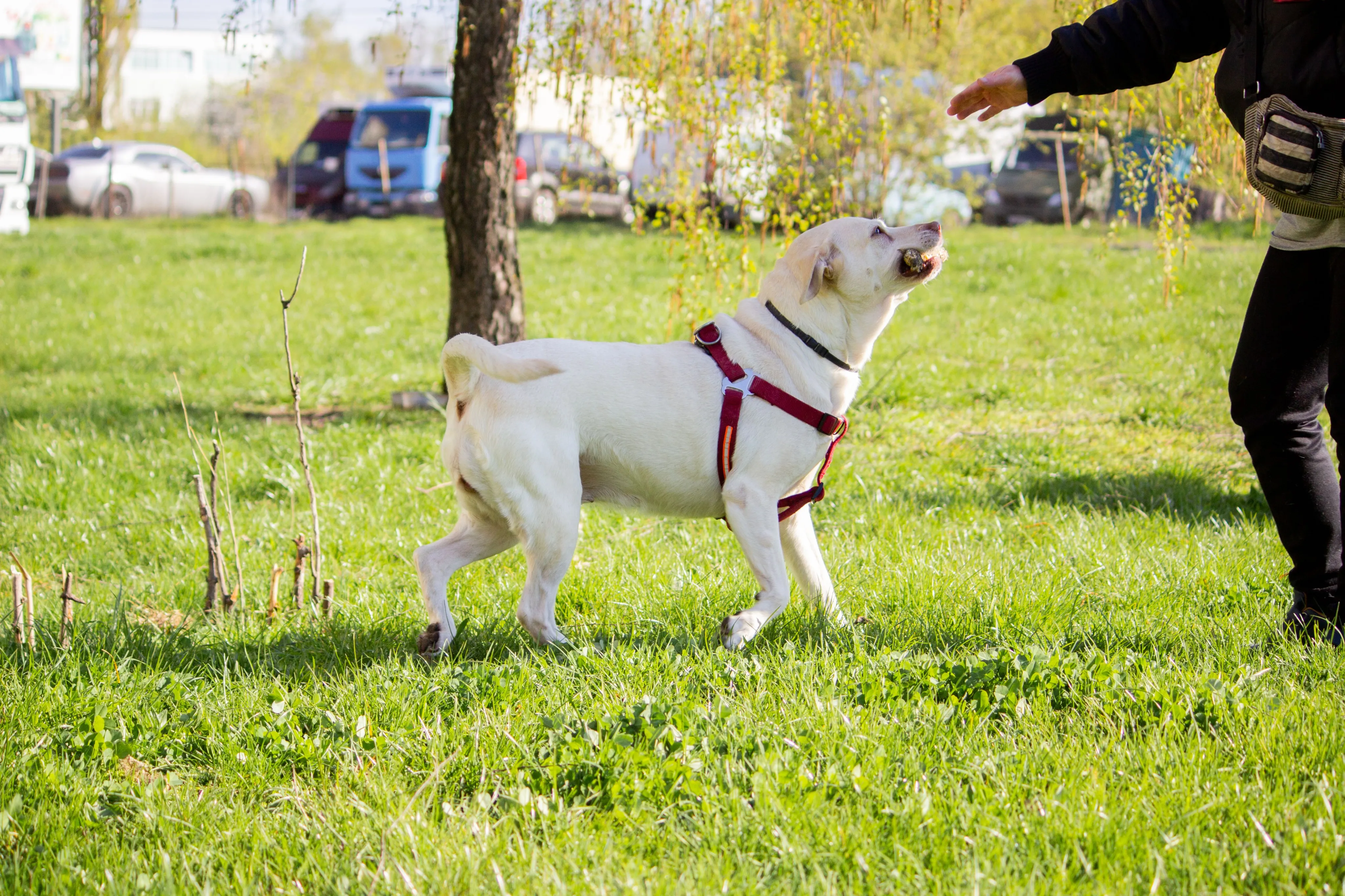
Quick Answer: Moving into a pet-friendly apartment goes smoothly when you confirm the community's pet rules first and budget for any added charges. Prep your dog or cat for the change too. Update the microchip records, and give the animal one calm room to settle into on day one. A dog that paces or a cat that hides tells you moving is stressful for pets, not just people. Moving into a pet-friendly apartment means sorting the lease terms and prepping your dog or cat well before the truck arrives. The Passages at Rye 1255 is a gated, all-bills-paid studio community in Houston's Energy Corridor, and its studio floor plans sit near walking routes and a dog park that make pet ownership easier. Use this pet friendly apartment guide to move your dog or cat in without the chaos. What to sort out before moving into a pet-friendly apartment Before you sign, confirm whether the community allows your specific pet and what it will cost, then check for any breed or weight limits. Get the pet policy in writing and line up current rabies records before you update the microchip. Sorting this early prevents a rejected application or a scramble on move-in day. Pet ownership is common, which is why so many communities court renters with animals. An estimated 70% of U.S. households own a pet, according to 2026 renter data from Avail, and roughly 72% of rental properties that allow pets now charge some form of monthly pet rent, per the National Apartment Association. Knowing that going in helps you read a lease with clear eyes. How does an apartment pet policy and lease work? An apartment pet policy is the part of your lease that sets the rules and the costs for keeping an animal. It usually names allowed species, weight or breed limits, the number of pets, and the money involved: a deposit, a one-time fee, monthly charges, or some mix. Read it line by line. Pet deposit, pet fee, and pet rent These three charges get mixed up, but they behave differently. A pet deposit is usually refundable if your pet causes no damage. A pet fee is one-time and non-refundable. Pet rent is a recurring monthly charge. As of 2026, industry figures put pet deposits around $200 to $600 per pet, pet fees near $200 to $500, and pet rent close to $30 to $60 a month. Published ranges vary by provider, so treat these as ballparks and ask the leasing office for the community's real numbers. Charge Refundable? Typical 2026 range What it covers Pet deposit Yes, if no damage $200 to $600 per pet Held against pet-related damage Pet fee No $200 to $500 per pet One-time cost paid at move-in Pet rent No $30 to $60 per month Recurring monthly charge One more point worth knowing: under federal fair housing rules, service animals and emotional support animals are not pets, so pet fees and pet rent generally do not apply to them. What your pet policy apartment lease should spell out A clear pet policy apartment lease leaves little to guess. Before you sign, check that it states: Which animals are allowed, plus any breed or weight limits The deposit, fee, and monthly pet rent amounts How many pets you can keep in the unit Rules for common areas, waste cleanup, and noise What counts as pet damage at move-out Your moving-with-a-pet checklist for dog and cat owners Moving with a pet is mostly about routine and safety. Keep feeding and walking times steady while you pack, update ID tags and microchip records before the truck loads, and keep your dog or cat in a quiet, secured room during the heavy lifting. Moving with pets rewards early planning more than last-minute effort. Work through these before moving day: Book a vet visit and grab copies of vaccination and rabies records. Update your pet's microchip registration and ID tag with the new address. Set out moving boxes a week early so your pet gets used to them. Pack a first-day bag with food, water bowls, litter, a leash, medications, and a favorite toy. Confirm the community's pet rules and find the pet relief areas. If you're moving within Houston or arriving from out of town, the city requires dogs and cats four months and older to be registered, microchipped, and vaccinated against rabies, with yearly renewal. You can review the City of Houston's pet registration and microchip rules and update your details after the move. Skipping it has a price: pets found without a registered microchip can face fines of $100 to $500, and a chip through the city's BARC shelter runs about $15. Pet amenities at apartments worth a closer look Pet amenities at apartments can turn a decent rental into an easy one for an animal. A fenced dog run saves late-night trips down the block. Shaded walking paths matter in Houston heat. Waste stations keep shared areas clean. At The Passages at Rye 1255, the on-site dog park and shared green spaces give dogs a place to burn energy without leaving the gates. Settling in: living with pets in a new home Living with pets in a new place goes better as a slow reveal. Set up one calm room first with the food bowls, bed, and litter box, then open the rest of the apartment over a few days. Dogs settle faster after a walk around the building; the neighborhood map and directions help you scout quiet routes. Cats need more patience. Setting up an apartment for cats works best when you build vertical space, so a cat tree or a few wall shelves give a nervous cat height and hiding spots. Keep cats indoors for at least a month, since they are place-oriented and may try to find the old home. Frequently Asked Questions 1. How do I find out an apartment's pet policy before applying? Ask the leasing office directly and get the pet policy in writing before you apply. Request the allowed species, any breed or weight limits, the deposit, any fee, the monthly pet rent, and the count limit. Listings sometimes say pet-friendly without the details, so confirm the specifics for your exact dog or cat. 2. What does it cost to keep a pet in an apartment? Costs vary by property and market, but in 2026 the common U.S. ranges look like this: Pet deposit: about $200 to $600 per pet, often refundable Pet fee: about $200 to $500 per pet, one-time and non-refundable Pet rent: about $30 to $60 per pet each month Always confirm the actual figures with the community before you sign. 3. Do I have to register my pet after moving to Houston? Yes. Houston's municipal code requires dogs and cats four months and older to be registered, microchipped, and vaccinated against rabies, with yearly renewal, and you update it when you move. Microchips run about $15 through the city's BARC shelter, and pets found without one can face fines. It's a quick step that helps a lost pet get home. 4. How long does it take a dog or cat to adjust to a new apartment? Most dogs settle within a week or two if you keep feeding and walking times steady and give them a familiar bed and toys. Cats often take longer, sometimes several weeks. Start both in one quiet room, then expand their space gradually. Watch for hiding, appetite changes, or accidents, which usually ease as the routine returns. 5. Are studio apartments okay for pets? A studio can suit a calm dog or a cat well, especially with daily walks and vertical space for climbing. Energy level matters more than square footage. High-energy breeds need more outdoor time and a nearby dog park. For cats, wall shelves and a cat tree add room without eating up the floor. Bring your pet home the easy way Moving into a pet-friendly apartment comes down to a few clear moves. Confirm the rules and costs before you sign. Handle the vet and microchip paperwork ahead of the move. Then give your dog or cat a slow, calm introduction to the new place. The Passages at Rye 1255 pairs gated, all-bills-paid studios in the Energy Corridor with an on-site dog park, so pets have room to settle. When you're ready, start your rental application and plan your move.

Read more
Best Dog Parks and Pet-Friendly Trails Near Highway 6, West Houston-image

Quick Answer: The best dog parks and pet-friendly trails near Highway 6, West Houston are Congressman Bill Archer Dog Park at 3201 Highway 6 North and Millie Bush Bark Park inside George Bush Park, plus the leashed trails of Terry Hershey Park. All three are free, fenced or clearly marked, and each sits within a short drive of the Energy Corridor. Finding the best dog parks and pet-friendly trails near Highway 6, West Houston shouldn't eat up a whole afternoon of scrolling. Two of the region's top off-leash parks sit a few miles apart, and a bayou trail stretching more than twelve miles runs right past the corridor. The Passages at Rye 1255 sits on Highway 6 North in the heart of the Energy Corridor, serving West Houston renters who want green space for their dogs close to home. Take a look at our spot in the Energy Corridor before you map a route. What to Look for in the Best Dog Parks Near Highway 6 The best dog parks near Highway 6 share four things: separate areas for large and small dogs, water or shade for Houston's heat, secure double gates, and free parking. Trails matter too. A leashed bayou path gives you distance and shade on days when a fenced run feels cramped. Houston summers are brutal on dogs. Shade pavilions and swimming ponds turn a 95-degree afternoon into something your dog can actually enjoy, which is why the two parks below both have them. Surface counts as well. Natural dirt and gravel drain faster after rain than turf does, but they leave paws muddy, so an on-site wash station stops being a luxury and starts being the reason you pick one park over another. Distance is the tiebreaker. Plenty of great parks dot the metro, yet a ten-minute drive beats a thirty-minute one every single day of the week, especially after a long shift. Which Dog Parks Near Highway 6 Are Best for Off-Leash Play? Among dog parks in Houston TX, the two nearest Highway 6 are Congressman Bill Archer Dog Park and Millie Bush Bark Park. Both are free, both are fenced, and both split into large-dog and small-dog sides with swimming ponds. Bill Archer sits closest to the Energy Corridor, right on Highway 6 North. Bill Archer Dog Park Houston TX: Off-Leash Loops and Ponds Congressman Bill Archer Dog Park runs along Highway 6 North at the 3201 address, only a few minutes from The Passages at Rye 1255. As of 2026, the official Harris County Precinct 4 park page lists the dog park at 17 acres with about a mile of trails, open 7 a.m. to 9 p.m. daily. The large-dog side wraps a 0.81-mile loop around a bone-shaped swimming pond. The small-dog side has its own 0.29-mile loop and pond. You get two agility courses, six drinking fountains, five shade pavilions, sixteen benches, and two dog showers to rinse muddy paws before the drive home. Parking sits in a shared lot with 238 spaces, and entry costs nothing. Millie Bush Bark Park Houston: Ponds, Trails, and Fire Hydrants Head south on Highway 6 and Millie Bush Bark Park waits inside George Bush Park, off Westheimer Parkway. Named after the Bush family's springer spaniel, the park keeps the same large-dog and small-dog split, with double-gated entries and multiple swimming ponds. Some ponds even have wooden decking so dogs can climb out without a struggle. You'll find faux fire hydrants, water fountains, shaded benches, picnic tables, and wash stations just outside the gates. It's open seven days a week from dawn to dusk, and like Bill Archer, it's free. One honest caveat: George Bush Park also houses a public shooting range, so distant gunfire can rattle noise-sensitive dogs. Here's how the two parks stack up against the area's main trail. Park or Trail Location Type & size Dog swimming ponds Off-leash / cost Congressman Bill Archer Dog Park 3201 Highway 6 N, 77084 Fenced dog park, 17 acres Yes, two ponds Off-leash, free Millie Bush Bark Park Westheimer Pkwy, George Bush Park Fenced dog park, multiple acres Yes, multiple ponds Off-leash, free Terry Hershey Park Trailheads, Highway 6 to Beltway 8 Hike & bike trail, 12+ miles No Leashed, free Which Pet Friendly Parks and Trails Near Highway 6 Allow Leashed Dogs? Not every outing needs a fenced run. Terry Hershey Park and George Bush Park rank among West Houston's best pet friendly parks for leashed walks, and both tie into the Highway 6 area. Dogs are welcome on the trails as long as they stay leashed, which keeps wildlife and other walkers comfortable. Terry Hershey Park is the standout. As of 2026, Harris County lists more than twelve miles of paved and dirt trails running along Buffalo Bayou from Highway 6 all the way to Beltway 8. The western trailheads sit near Highway 6, so a shaded walk can start minutes from your door. Along the route you'll pass a butterfly garden, exercise stations, gazebos, and a canoe launch. Parking lots off the I-10 feeder between Highway 6 and Eldridge Parkway make access easy. There are plenty of dog friendly parks in Houston, but few offer this much continuous, tree-lined distance in the Energy Corridor. George Bush Park adds a wilder option. At roughly 7,800 acres, it's one of the largest parks in the country, with miles of multi-use trail, a wooden boardwalk over the bayou, and woodlands full of birds and squirrels your dog will absolutely notice. Leash rules apply here too. A nearby dog park Houston renters can reach in ten minutes still beats a famous one across town, and this pocket of West Houston hands you both parks and trails without a long commute. Frequently Asked Questions 1. What are the best dog parks in Houston for swimming? For water-loving dogs, the best dog parks in Houston near Highway 6 both have ponds. Congressman Bill Archer Dog Park has two bone-shaped swimming ponds, one on each side. Millie Bush Bark Park offers multiple ponds, several with wooden decking that helps dogs climb out safely after a swim. 2. Is Millie Bush Dog Park free to use? Yes. Millie Bush Dog Park charges no entry fee and offers free parking with more than 100 spaces. It's open seven days a week from dawn to dusk. Bring your own water, a few waste bags as backup, and a towel, since the wash stations sit just outside the fenced play areas. 3. Which dog parks in Houston TX are closest to Highway 6? Three spots stand out for renters near the Energy Corridor: Congressman Bill Archer Dog Park, 3201 Highway 6 North, a fenced 17-acre park with trails and ponds. Millie Bush Bark Park, off Westheimer Parkway inside George Bush Park, with large and small dog areas. Terry Hershey Park, a leashed hike-and-bike trail with trailheads near Highway 6. Any of the three handles a quick weekday outing without crossing town. 4. What should I bring to a dog park near Highway 6? Plan around Houston's heat and mud. Even with on-site fountains, pack water and a collapsible bowl. Carry a leash for entering and exiting the off-leash areas, plus a towel for the wash stations. Waste bags are usually stocked, but a few backups help. If your dog is shy, skip peak weekend afternoons. 5. Does The Passages at Rye 1255 have a dog park on site? Yes. The community includes an on-site dog park along with other shared amenities , so your dog gets off-leash time without leaving the gate. When you want a bigger adventure, Bill Archer, Millie Bush, and Terry Hershey all sit a short drive up or down Highway 6. Conclusion The best dog parks and pet-friendly trails near Highway 6, West Houston give your dog room to run and give you a reason to get outside. Bill Archer and Millie Bush cover off-leash play with ponds and shade, while Terry Hershey handles the long, leashed walks along the bayou. Living on Highway 6 North puts all of it within a short drive. Browse our studio floor plans to find a layout that fits your budget, then apply online when you're ready to move in with your four-legged roommate.

Read more
Pet-Friendly Apartments in Houston: A Smart Renter Guide-image

Quick Answer: Pet-Friendly Apartments in Houston vary widely in what they allow and charge. Before you sign a lease at any pet-friendly community, confirm the pet fee, refundable deposit, monthly pet rent, weight and breed limits, and how many animals are allowed per home. Get every number in writing so nothing surprises you at move-in. Pet-Friendly Apartments in Houston are easy to find and hard to compare. Almost every community says yes to animals now, but the fine print (weight caps, breed lists, fees, deposits) is where renters get surprised. The Passages at Rye 1255 is a gated, all-bills-paid studio community serving West Houston's Energy Corridor along Highway 6, with an on-site dog park you can tour on the community amenities page . What to look for in pet-friendly apartments in Houston Start with the rules, not the rent. The best pet-friendly apartments in Houston publish a clear animal policy: which species and breeds are allowed, the weight cap, the per-home pet limit, and every fee tied to your dog or cat. If a leasing agent can't answer those in a single visit, treat it as a warning sign rather than a detail to sort out later. Start with the apartment pet policy Every apartment pet policy reads a little differently. Ask for it in writing and check four things: allowed species, breed restrictions, the weight limit, and the number of pets per unit. Houston communities often cap homes at two animals and restrict certain breeds, and some set a weight limit near 40 pounds, so a rule that fits a Chihuahua may not fit a Labrador. Read the apartment policy language on aggressive-breed lists closely, because those lists are not standardized and one property's version can differ from the next. Apartment requirements every pet owner should confirm Beyond the animal rules, standard apartment requirements still apply, and a few are pet-specific. Expect to show current vaccination records, sometimes a photo of your pet, and occasionally a signed pet addendum that becomes part of your lease. Some communities also ask for renters insurance that includes animal-liability coverage. None of this is unusual. It's just far easier to gather before you apply than during move-in week. What do apartments that are pet friendly actually cost? Renting with a pet almost always adds cost, and the labels matter. Apartments that are pet friendly usually charge some mix of a one-time pet fee, a refundable pet deposit, and monthly pet rent. As of 2025, RentCafe data put the average U.S. pet rent near $36 a month and the average pet deposit just over $300, though Houston figures run their own range. Charge When you pay it Refundable? Typical Houston range Pet fee Once, at move-in No $200 to $500 per pet Pet deposit Once, at move-in Yes, if no damage $200 to $500 per pet Pet rent Every month No $15 to $50 per pet First-year total, one pet Move-in plus 12 months Deposit portion only Roughly $600 to $1,300 Those totals are illustrative. Your community's exact fees decide the real figure, and the deposit portion comes back if your pet leaves no damage. In Houston, one-time pet fees and refundable deposits commonly run $200 to $500 per pet, with monthly pet rent often between $15 and $50, according to local rental cost guides. The National Apartment Association reports that roughly 72% of pet-friendly rentals now charge monthly pet rent, up from 58% in 2018, so budget for the recurring line, not just the upfront one. One built-in advantage of an all-bills-paid studio is that electricity, water, and internet are bundled into rent, so the pet math becomes the main variable you're adding rather than a stack of separate utility bills. Compare the studio floor plans and pricing with the pet charges included to see your real monthly number. How do you find the best apartments for dogs? Dogs need more than a yes on the lease. The best apartments for dogs pair a workable pet policy with real infrastructure: a fenced spot to run, nearby green space for walks, and ground-floor or elevator access that makes the 6 a.m. trip outside less of a project. Location does a lot of the work here, especially in a city as spread out as Houston. Apartments with pet amenities Houston dog owners actually use On-site perks matter, but so does what sits nearby. Apartments with pet amenities Houston dog owners actually use tend to be near open space, not just advertising a small dog run. The Passages at Rye 1255 has its own on-site dog park, and it sits on Highway 6 North in the 77084 area, minutes from Congressman Bill Archer Bark Park. That county park spans 17 fenced off-leash acres with separate large-dog and small-dog sections, shaded trail loops, and a dog pool with wash stations, which is a genuine weekend upgrade for a studio dweller with an energetic dog. See how the community sits relative to those green spaces on the neighborhood and map page . Frequently Asked Questions 1. What should you ask before signing a pet-friendly lease? Before you sign, get clear answers on the money and the rules. Confirm these in writing: The one-time pet fee and whether any part of it is refundable The refundable pet deposit amount and what damage it covers Monthly pet rent charged per animal Weight limit, breed restrictions, and the per-home pet count Whether a pet addendum, vaccination records, or renters insurance is required 2. Do apartments that allow pets near me really cost more? Usually a little. Apartments that allow pets near me searches turn up plenty of options across West Houston, and most add a pet fee, a deposit, and monthly pet rent on top of base rent. The extra varies widely by property, so the honest move is to compare the all-in monthly cost with your pet's fees included, not the advertised base rent by itself. 3. Are cheap apartments that allow pets actually a good deal? Not always. Cheap apartments that allow pets can look affordable on the rent line, then tack on pet fees, pet rent, and separate utility bills that push the real total higher. An all-bills-paid studio can pencil out better, because water, electricity, and internet are bundled, leaving pet charges as the main add-on instead of one line among several monthly surprises. 4. Can a landlord charge a pet deposit for a service animal? Generally no for a trained service animal. Under the federal Fair Housing Act, a trained service animal is treated as a disability accommodation rather than a pet, so standard pet fees and deposits typically don't apply to it. HUD updated its enforcement guidance in May 2026, narrowing the animals it will pursue accommodation cases for and changing how emotional support animals are handled, so confirm the current process directly with the leasing office. 5. What are the best places to rent with pets allowed near the Energy Corridor? Focus on communities that welcome pets and sit near green space. Places to rent with pets allowed in West Houston's Energy Corridor include gated studio communities like The Passages at Rye 1255, which pairs all-bills-paid studios with an on-site dog park close to Highway 6 and Congressman Bill Archer Bark Park. If that setup fits your pet, tour the community before you commit. The bottom line before you sign The best pet-friendly apartments in Houston aren't the ones with the loudest "pets welcome" sign. They're the ones with a clear policy, fair fees, and real space for your animal to be a dog or a cat. Ask the questions, get the numbers in writing, and weigh the all-in monthly cost against the base rent. For a gated, all-bills-paid studio with an on-site dog park in West Houston's Energy Corridor, The Passages at Rye 1255 fits the brief on Highway 6, and you can start your application when you're ready to make it official.

Read more